Chinese
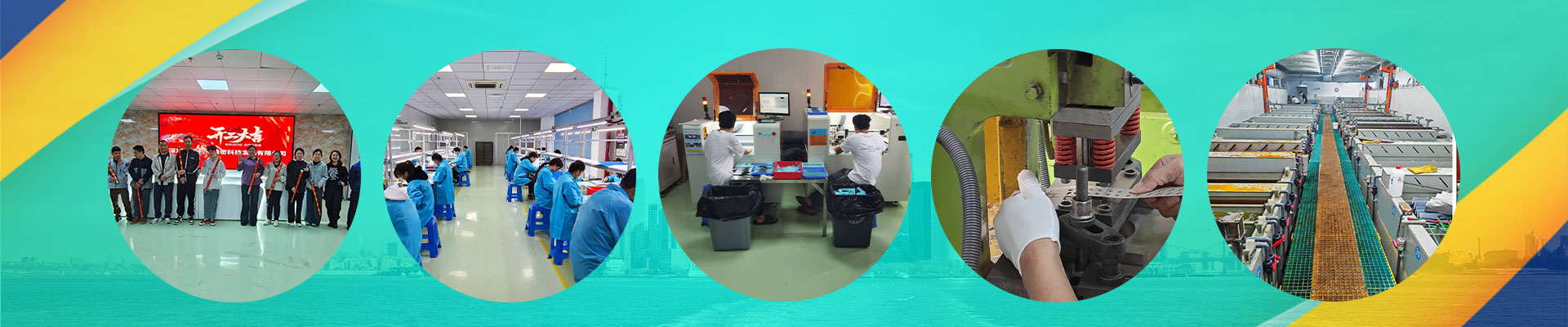
The production process involves: Plate exposure → Electroforming → Peeling → Adhesive application.
1. Plate Exposure:
The master plate is made of stainless steel that allows for easy release after plating. After degreasing and cleaning, a photo-imaging, plating-resistant photoresist is applied. Following exposure and development, a post-exposure treatment is performed to enhance the photoresist's resistance to the plating process.
2. Electroforming:
The prepared stainless steel plate (bearing the image) is secured with a specialized fixture and placed into a high-speed nickel electroforming bath. The duration and current intensity of the electroforming process depend on the surface area and thickness of the object being formed.
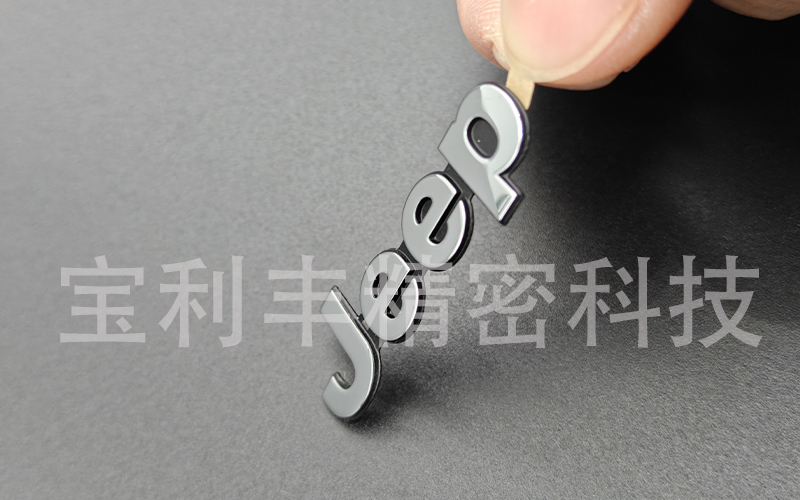
3. Peeling:
The electroformed stainless steel plate is washed and dried. Then, a transfer film is used to completely peel off the electroformed text and patterns.
4. Adhesive Application:
There are two methods:
Method 1 (Screen Printing): Screen-print the adhesive directly onto the back of the electroformed text and patterns; the product is ready for use once the adhesive dries.
Method 2 (Transfer Method): First, print the adhesive onto transfer paper. Once dry, adhere the electroformed text and patterns (held on the transfer film) onto the adhesive layer; after pressing firmly, the adhesive film is transferred to the back of the electroformed text and patterns.
The above outlines the general production process for electroformed nameplates; we hope this information proves helpful.