Chinese

Electroformed Nickel vs. Nickel Electroplating: Key Differences & Cost Comparison (Focus on Nameplates/Logos)
I. Fundamental Principles: Polar Opposites
1. Nickel Electroplating (Subtractive/Coating Process)
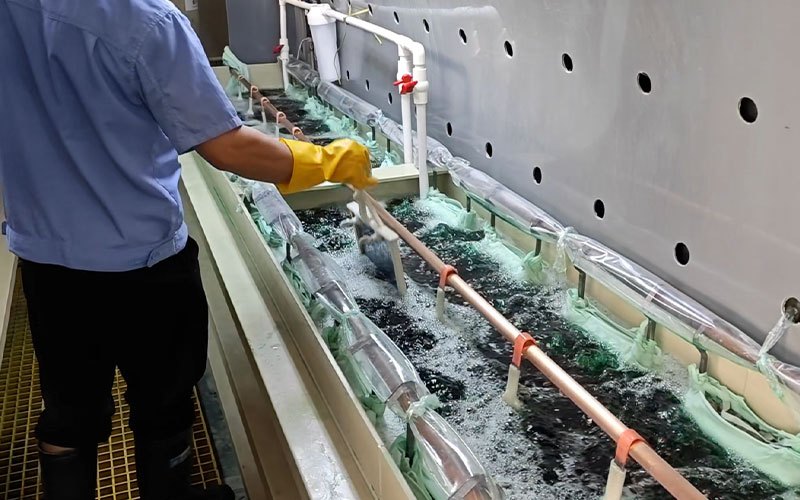
The finished workpiece acts as the cathode, and a thin layer of nickel is deposited onto its surface. The nickel serves merely as a decorative or anti-corrosion coating; the workpiece itself consists of a base material (copper, iron, plastic, or stainless steel), and the coating is permanently bonded to the substrate.
Process: Substrate pretreatment → Thin nickel plating bath → Post-treatment
Typical coating thickness: 3–30 μm (0.003–0.03 mm); the coating is extremely thin.
2. Nickel Electroforming (Additive/Forming Process)
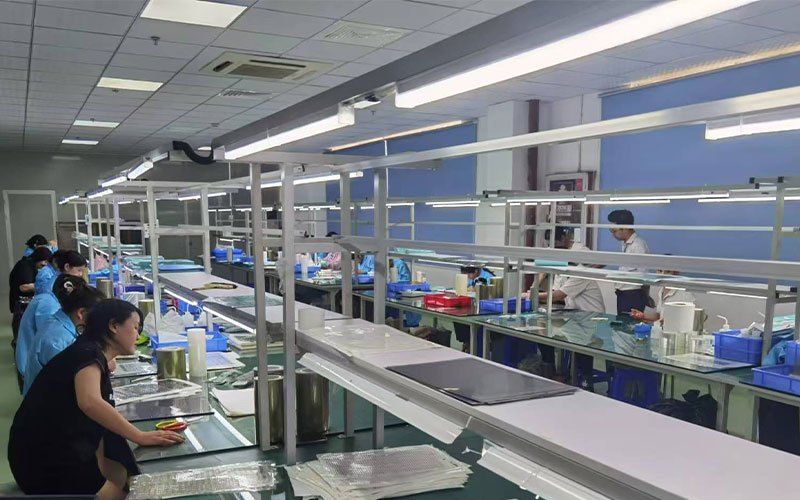
A master mold acts as the cathode, and nickel ions continuously deposit onto the mold's surface to form a solid, independent piece of nickel. Upon completion, the nickel layer is peeled away from the mold, resulting in a standalone logo nameplate made entirely of pure, solid nickel without a separate substrate.
Process: Precision reverse master mold creation → Conductive treatment → Prolonged electroforming/thickening → Demolding/peeling off the pure nickel piece → Polishing/coloring/adhesive application
Typical nameplate thickness: 0.03–0.15 mm (30–150 μm); the entire piece is solid nickel.
II. Eight Key Differences (From a Nameplate/Logo Perspective)
III. Cost Comparison: Electroforming Incurs Higher Costs
1. Why Electroforming is More Expensive (Four Major Cost Drivers)
1. High Nickel Material Consumption
Electroplating involves only a thin surface layer of nickel; in electroforming, the entire logo is composed of nickel. For the same dimensions, nickel consumption is 5–20 times higher than that of electroplated nameplates, with the cost of high-purity electrolytic nickel raw material accounting for the bulk of the expense.
2. Higher Equipment and Electrolyte Costs
Investments in specialized nickel sulfamate electrolytes, constant-temperature circulating filtration systems, and high-precision master mold engraving equipment far exceed those for standard electroplating lines. Electroforming baths also consume significant energy, leading to higher electricity costs due to the prolonged deposition process. 3. Numerous process steps, long production cycles, and high labor costs
Electroplating: Grinding → Nickel plating → Cleaning; completed within one hour.
Electroforming: Creating a reverse master mold → Making the surface conductive → Prolonged electroforming deposition → Demolding/peeling → Leveling and polishing → Surface plating (gold/black nickel) → Applying adhesive backing. The process involves many steps, a production cycle of 1–3 days per batch, and double the labor hours.
4. Master mold costs
Complex logos and split-style cutout lettering require high-precision CNC or photolithography master molds, costing anywhere from several hundred to over a thousand yuan per set. Electroplating uses existing substrates directly, requiring no specialized molding tools.
2. Direct comparison of market unit prices (standard small logo, batch size of 1,000 units)
Nickel-plated badges (nickel-plated plastic or metal base): 0.45–0.90 RMB/piece
Pure electroformed nickel logos: 0.45–0.90 RMB/piece
For the same dimensions, the unit price of electroformed nickel is 50%–200% higher; the price gap is even wider for complex cutout designs or raised 3D styles.
Special case: Large-format badges
For large metal nameplates (tens of centimeters in size), the cost of thickened electroformed nickel is far higher than that of nickel-plated stainless steel. While electroformed nickel commands a premium for small, high-end logos (e.g., for mobile phones, headphones, or luxury goods), its texture and durability are irreplaceable.
IV. Choosing the right application scenario
Choose nickel electroplating (for low-cost requirements)
1. Low-cost small appliances, disposable packaging stickers;
2. Anti-rust decoration for entire metal hardware components (where a separate metal logo piece is not required);
3. Simple, large, flat lettering (no ultra-fine lines or cutouts);
4. Indoor, dry environments where minor wear does not affect usability. Choose Nickel Electroforming (for high-end aesthetics and precision durability)
1. Logos for 3C electronics, headphones, smartphones, and laptop casings;
2. Exquisite, individually formed lettering for luxury luggage, eyewear, and beauty devices;
3. Applications requiring ultra-thin, curved-surface adhesion, as well as long-term wear and rust resistance;
4. Non-magnetic metal branding for medical and wireless equipment;
5. Logos featuring ultra-fine lines, intricate cutouts, or floating, independent small characters.
Summary
1. Fundamental difference: Electroplating involves "coating an object with a nickel film," whereas electroforming involves "creating a solid pure-nickel part via electro-deposition";
2. Cost conclusion: The overall cost of nickel electroforming is significantly higher than that of nickel electroplating, involving additional expenses for materials, energy, labor, and tooling;
3. Decision logic: Opt for nickel electroplating when prioritizing low cost and simple decoration; choose nickel electroforming when seeking a refined metallic finish, long-lasting durability, and precision micro-logos.